
How to choose a projector
Whether you need a home cinema projector for watching movies and playing games, or an office projector for making corporate presentations, we'll help you choose the perfect model for your needs.
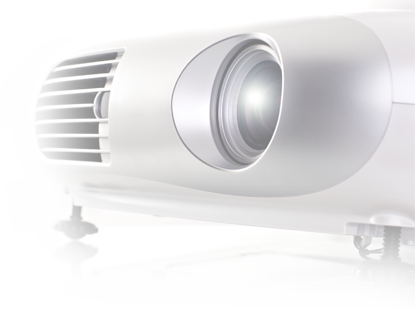
Types of projector
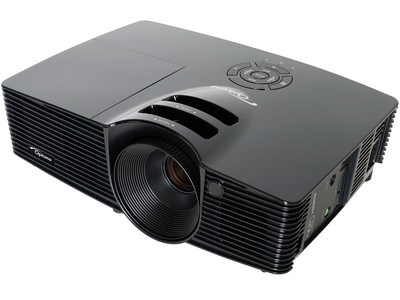
Home cinema projectors
To bring the big screen to your home, these projectors can handle widescreen resolutions. Models with an aspect ratio of 16:9 or 21:9 are ideal.
Projectors for screening films or playing games
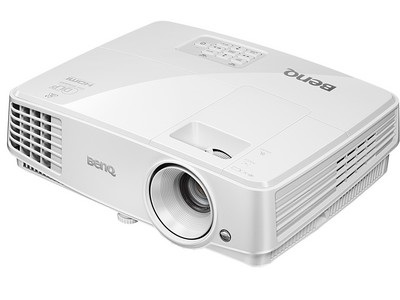
Office projectors
Office projectors are ideally suited for presentation purposes.
Projectors for presentations
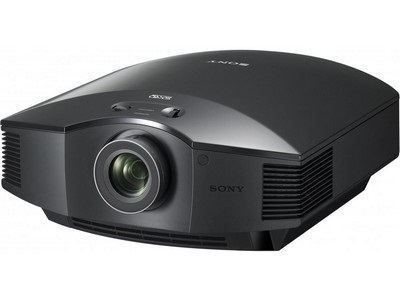
3D projectors
In addition to standard 2D images, these models can project in 3D.
Projectors for watching movies and playing games in 3D
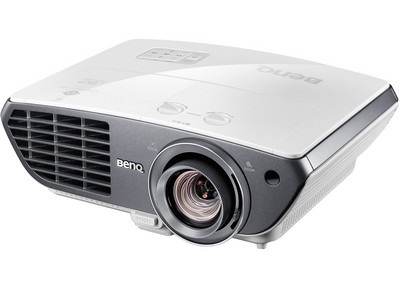
Short-throw projectors
Thanks to their short-throw lenses, these models can project from distances of one metre or less.
Projectors for small rooms
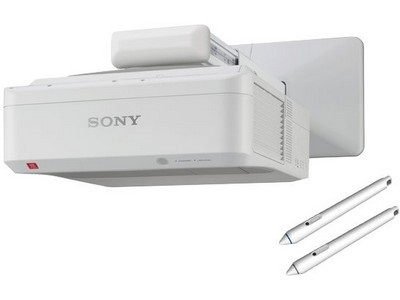
Interactive projectors
These models allow you to directly interact with the projected image using an electronic pen. To work effectively, they require a hard and smooth projection surface.
Enable interaction with projected images
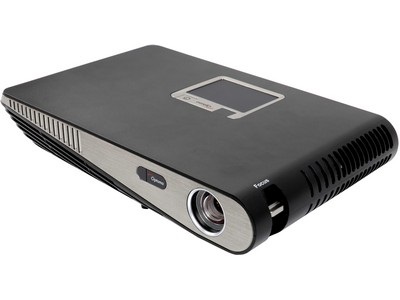
Mini projectors
Small, light and easy to set up, mini projectors are Ideal if you're looking for a portable projector for multiple rooms or business trips.
Portable projectors
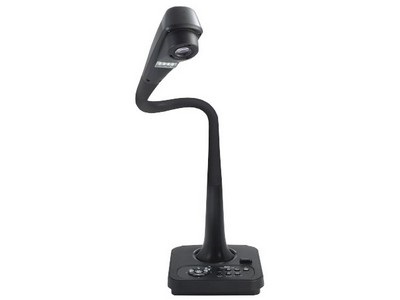
Visualisers
Visualisers scan objects and convert them into digital format. They can then be displayed on your monitor or projected through a projector.
Modern overhead projectors
Glossary - Projectors
Keystone correction
Keystone correction is a function that corrects the output image if a projector is not placed perpendicular to the horizontal centreline of the screen (too high or too low).
FOV
FOV (Field of view) is the angle formed between your view and the projected image. The closer you are to the image and the longer the diagonal, the greater the angle, and vice versa.
PiP
Picture in Picture (PIP) means displaying two images (video or photo) from two different sources next to each other.
Glossary